


cas 7440-05-3 pd nanopowder 초 미세 팔라듐 촉매제
크기 : 20-30nm 순도 : 99. 95 % CAS 번호 : 7440-05-3 에니 넥 번호. : 231-115-6 외관 : 흑색 화약 모양 : 구형

크기 : 20-30nm 순도 : 99. 95 % CAS 번호 : 7440-05-3 에니 넥 번호. : 231-115-6 외관 : 흑색 화약 모양 : 구형
고객의 요구 사항에 따라 니오븀 규화물 분말의 다양한 크기의 제품을 공급할 수 있습니다. 크기 : 1-3um; 순도 : 99.5 %; 모양 : 과립 CAS 번호 : 12034-80-9; 에니 넥 번호. : 234-812-3
ni2si 입자, 99.5 % 순도, 입상 형태, 마이크로 전자 집적 회로, 니켈 실리사이드 필름 등에 사용됨 크기 : 1-10um; CAS 번호 : 12059-14-2; eninec 번호. : 235-033-1
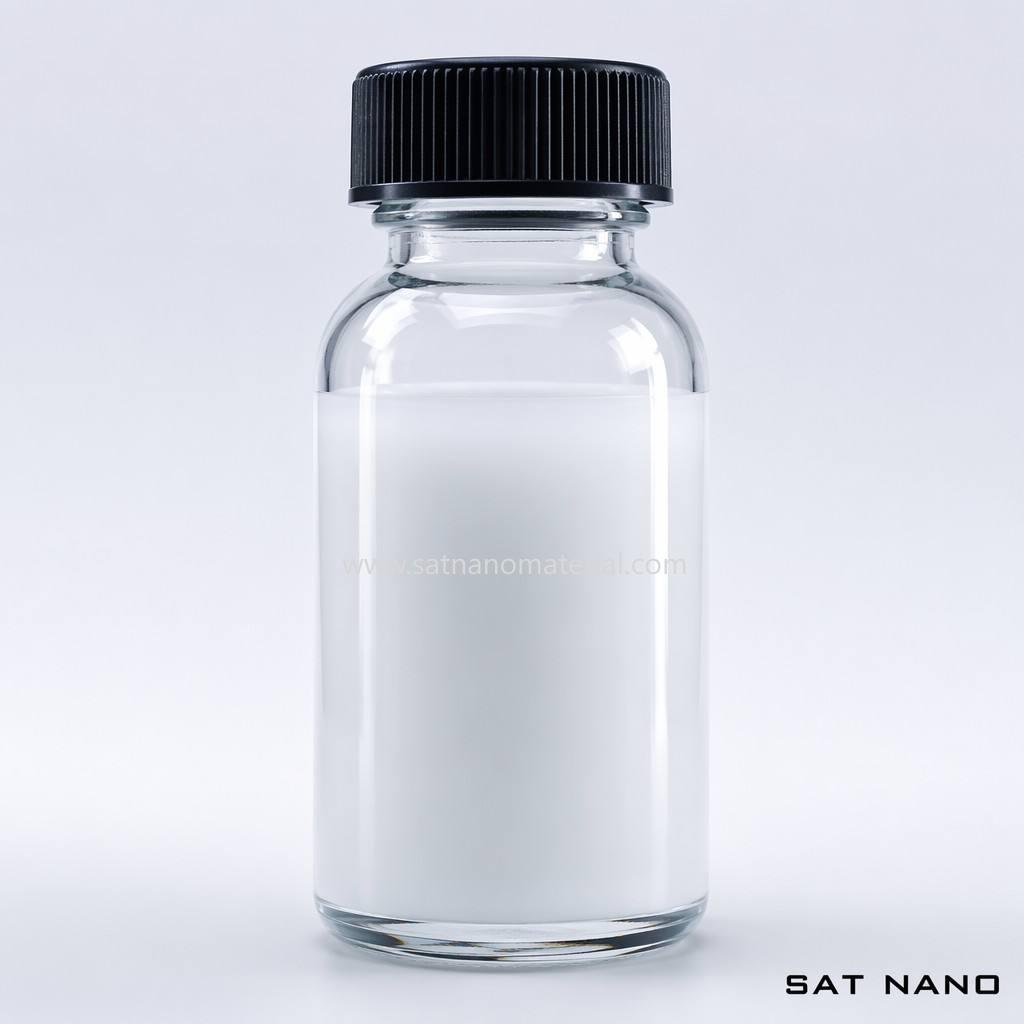
지난주, SAT NANO는 한국 시장으로의 수출 주문을 성공적으로 완료했습니다. 한국의 광촉매 환경 정화 전문 기업에 1KG의 수계 나노 이산화티타늄(TiO₂) 분산액을 납품했습니다. 해당 배치는 고객의 광촉매 소재 연구개발 및 파일럿 규모 테스트를 위해 FedEx International Priority를 통해 발송되었습니다.
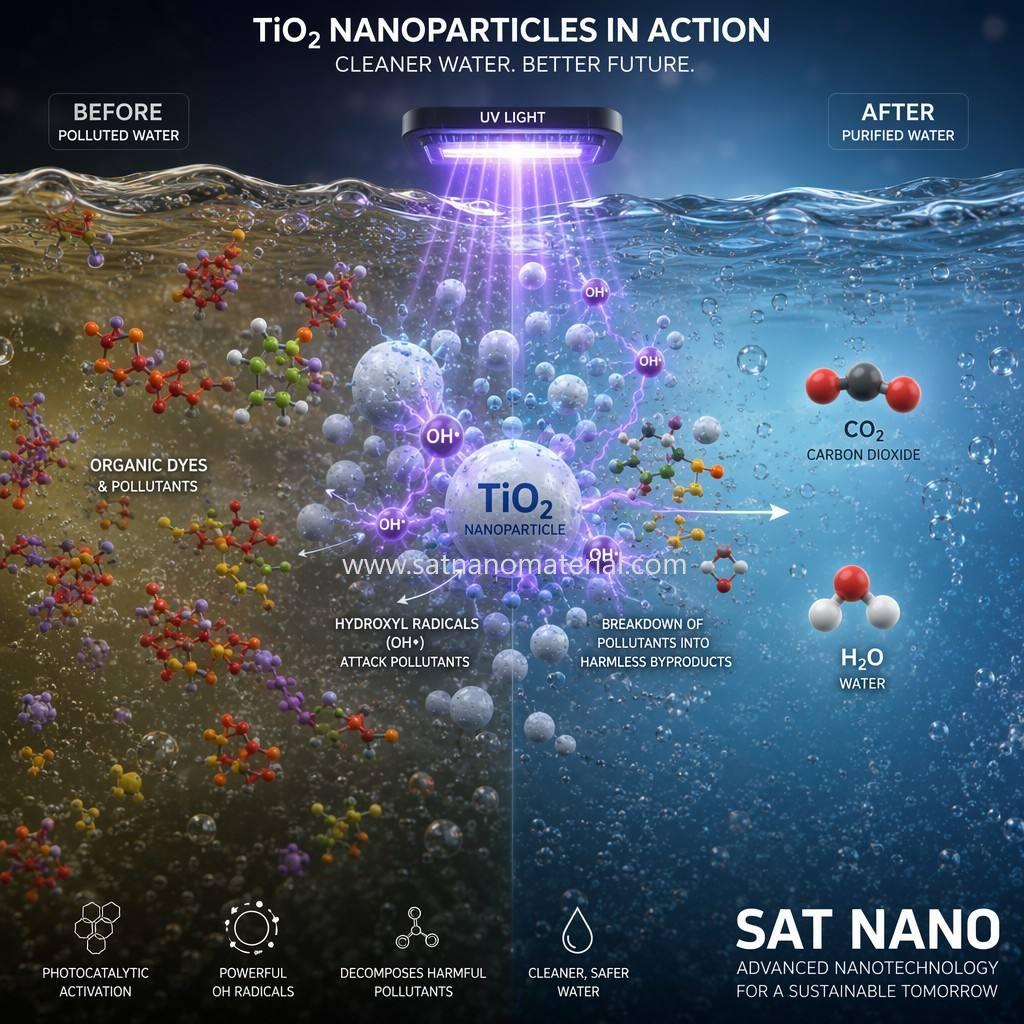
나노 이산화티타늄(TiO₂)은 가장 실용적 가치가 높은 광촉매로 널리 알려져 있습니다. 약 3.0–3.2 eV의 밴드갭을 가지며, 자외선 여기 시 유기 오염 물질을 효율적으로 분해하고, 박테리아를 제거하며, 유해 가스를 분해할 수 있는 강력한 산화력을 가진 전자-정공 쌍을 생성합니다.
그러나 실제 광촉매 효율은 단순히 입자 크기와 결정상에만 좌우되지 않습니다. 분산 품질이 진정한 결정 요인입니다:
| 문제 |
원료 분말 사용 시 결과 |
SAT NANO 분산액의 장점 |
| 응집 |
나노입자는 높은 표면 에너지로 인해 자연스럽게 응집되며, 유효 비표면적이 급격히 감소하여 광촉매 활성이 크게 저하됩니다. |
출하 전에 분산 공정이 완료되어 입자가 단분산 또는 미세 응집 상태로 안정적으로 현탁됩니다. |
| 침전 |
수계 시스템에서 빠르게 침전되어 균일한 코팅 또는 반응기 내 주입을 실현할 수 없습니다. |
독자적인 분산제 및 안정화제 조합으로 상온 보관 6개월 후에도 눈에 띄는 상분리가 발생하지 않습니다. |
| 제어되지 않는 농도 |
최종 사용자가 직접 조성하면 고형분 함량이 변동하여 실험 재현성이 저하됩니다. |
정밀하게 제어된 고형분 함량(5%–40% w/w까지 맞춤 설정 가능)으로 배치 간 일관성이 보장됩니다. |
| 작업 안전 |
나노 분말 먼지 흡입 위험이 있으며, 개인보호장비(PPE)와 밀폐 관리가 필요합니다. |
액상 형태로 먼지 노출을 제거하며, 용기에서 바로 사용할 수 있습니다. |
| 항목 |
사양 |
||
| 소재 |
나노 이산화티타늄(TiO₂) 수계 분산액 |
||
| 결정상 |
아나타제 / 루틸 / 혼합상, 맞춤 설정 가능 |
||
| 1차 입자 크기 |
5–50 nm (맞춤 설정 가능) |
||
| 고형분 함량 |
5%–40% w/w (맞춤 설정 가능) |
||
|
탈이온수 (유기 용매 시스템 사용 가능) |
||
| pH |
중성에서 약산성 (요청 시 조정 가능) |
||
| 제타 전위 |
≥ ±30 mV (우수한 분산 안정성을 나타냄) |
||
| 외관 |
유백색 반투명에서 유백색 현탁액 |
||
| 포장 |
HDPE 밀봉 병 / 드럼, 차광 및 누출 방지 |
TiO₂ 광촉매는 중요한 전환점에 도달하고 있으며, 학술 연구에서 대규모 산업화로 전환되고 있습니다. 전 세계 광촉매 시장은 2025년에 87.5억 달러 규모에 도달했으며 연평균 성장률(CAGR) 11.4%로 성장할 것으로 예상됩니다. 주요 응용 분야는 다음과 같습니다:
UV 여기 하에서 나노 TiO₂는 물속의 유기 염료, 항생제, 농약 잔류물 및 내분비 교란 화합물을 효율적으로 분해합니다. 반도체 및 전자 제조 분야의 세계적 선도국인 한국은 고도 산업 폐수 처리에 대한 수요가 특히 높습니다. 현탁형 TiO₂ 광촉매 시스템은 넓은 비표면적과 높은 물질 전달 효율로 인해 반응기 설계에 널리 채택되고 있습니다.
TiO₂ 코팅은 실내 포름알데히드, BTEX 화합물 및 NOₓ를 분해합니다. 건축용 코팅, 공기청정기 필터 및 도로 포장 재료 분야에는 이미 성숙한 응용 사례가 존재합니다. 한국의 높은 도시 밀도와 엄격한 실내 공기질 기준은 TiO₂ 광촉매 코팅에 상당한 시장을 창출하고 있습니다.
TiO₂의 광유도 초친수성(UV 조사 후 물 접촉각
광촉매 물 분해의 대표적인 모델 촉매인 TiO₂는 비교적 넓은 밴드갭으로 인해 역사적으로 가시광선 활용에 한계가 있었습니다. 그러나 최근 도핑(N 도핑, 금속 증착) 및 이종 구조 설계(TiO₂/g-C₃N₄, TiO₂/MXene)의 획기적인 발전으로 가시광선 활성이 크게 향상되었습니다.
SAT NANO의 나노 TiO₂ 분산액이 이 시장에 진입하는 것은 제품 품질에 대한 검증이자 향후 대량 공급 파트너십을 위한 기반 역할을 합니다.
TiO₂ 분산액을 넘어 SAT NANO의 나노분말 분산 시리즈에는 다음 제품이 포함됩니다:
| 제품 |
일반적인 응용 분야 |
||
| 나노 TiO₂ 분산액 |
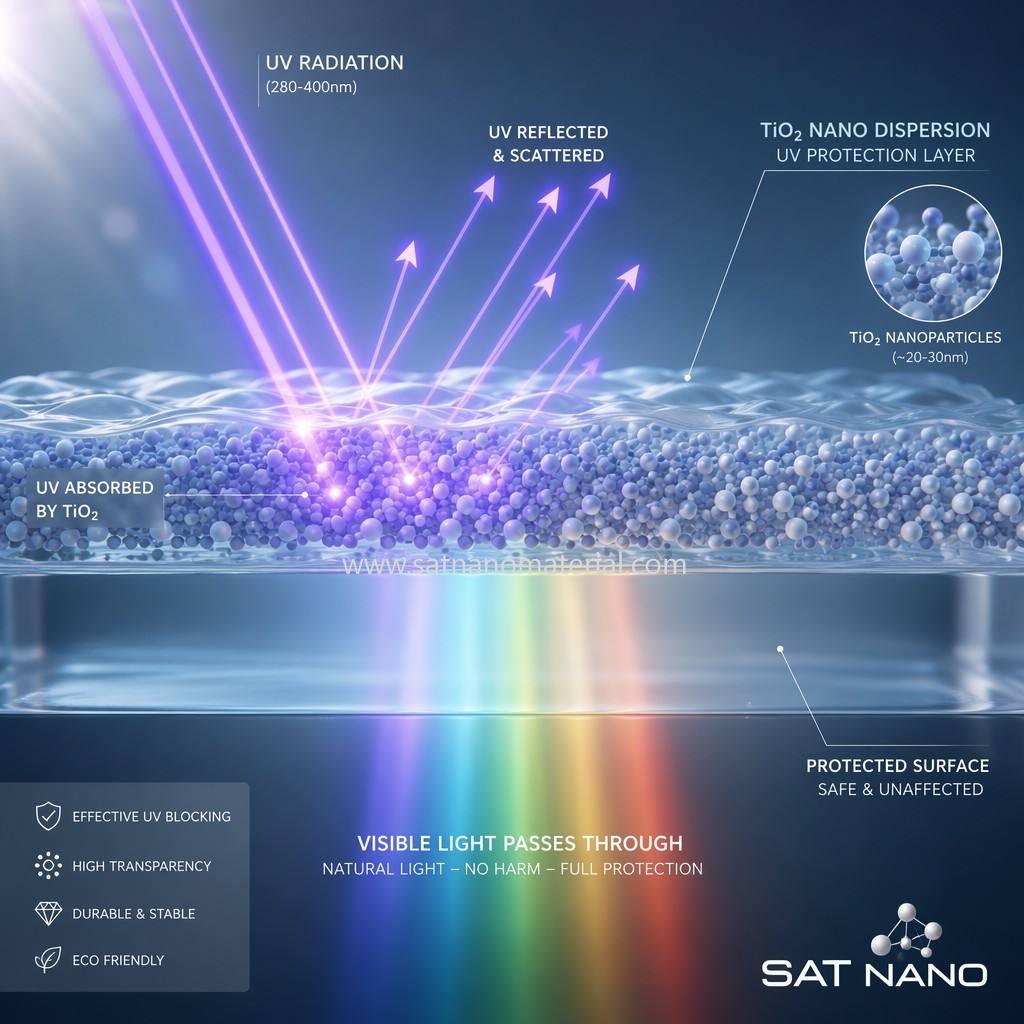
광촉매, 자기 세정 코팅, 자외선 차단 |
||
| 나노 SiO₂ 분산액 |
코팅 경화 및 내마모성, 정밀 연마 |
||
| 나노 ZnO 분산액 |
자외선 차단, 항균 섬유 |
||
| 나노 Al₂O₃ 분산액 |
열전도성 충전재, 사파이어 연마 |
||
|
투명 전도성 필름, 단열 코팅 |
||
| 나노 Fe₃O₄ 분산액 |
자성 유체, 생물 분리, 마이크로파 흡수 재료 |


 온라인 서비스

