


cas 7440-05-3 pd nanopowder 초 미세 팔라듐 촉매제
크기 : 20-30nm 순도 : 99. 95 % CAS 번호 : 7440-05-3 에니 넥 번호. : 231-115-6 외관 : 흑색 화약 모양 : 구형

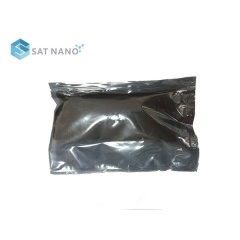
크기 : 20-30nm 순도 : 99. 95 % CAS 번호 : 7440-05-3 에니 넥 번호. : 231-115-6 외관 : 흑색 화약 모양 : 구형
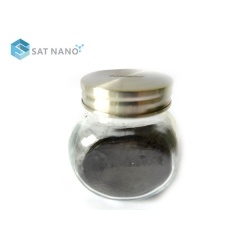
고객의 요구 사항에 따라 니오븀 규화물 분말의 다양한 크기의 제품을 공급할 수 있습니다. 크기 : 1-3um; 순도 : 99.5 %; 모양 : 과립 CAS 번호 : 12034-80-9; 에니 넥 번호. : 234-812-3
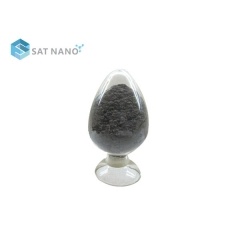
ni2si 입자, 99.5 % 순도, 입상 형태, 마이크로 전자 집적 회로, 니켈 실리사이드 필름 등에 사용됨 크기 : 1-10um; CAS 번호 : 12059-14-2; eninec 번호. : 235-033-1
세포 내 에너지 생성 중심이자 세포 사멸 조절의 핵심인 미토콘드리아는 종양의 정밀 치료를 위한 중요한 표적입니다. 약물이나 핵산을 미토콘드리아에 직접 전달하면 종양 세포 사멸을 효과적으로 유도하고 약물 내성을 극복할 수 있습니다. 그러나 나노입자는 생체 내에서 미토콘드리아에 도달하기 위해 여러 생물학적 장벽을 통과해야 합니다. 따라서 여러 겹의 장벽을 효율적으로 통과할 수 있는 미토콘드리아 표적 나노물질을 개발하는 것이 매우 중요합니다. 금 나노입자 미토콘드리아는 안정적인 구조, 뛰어난 광열 성능, 그리고 용이한 표면 개질 덕분에 미토콘드리아 표적 치료에 이상적인 플랫폼으로 여겨집니다. 그러나 현재까지 생체 내 세포 소기관 수준에서의 체계적인 비교 연구는 부족한 실정입니다.
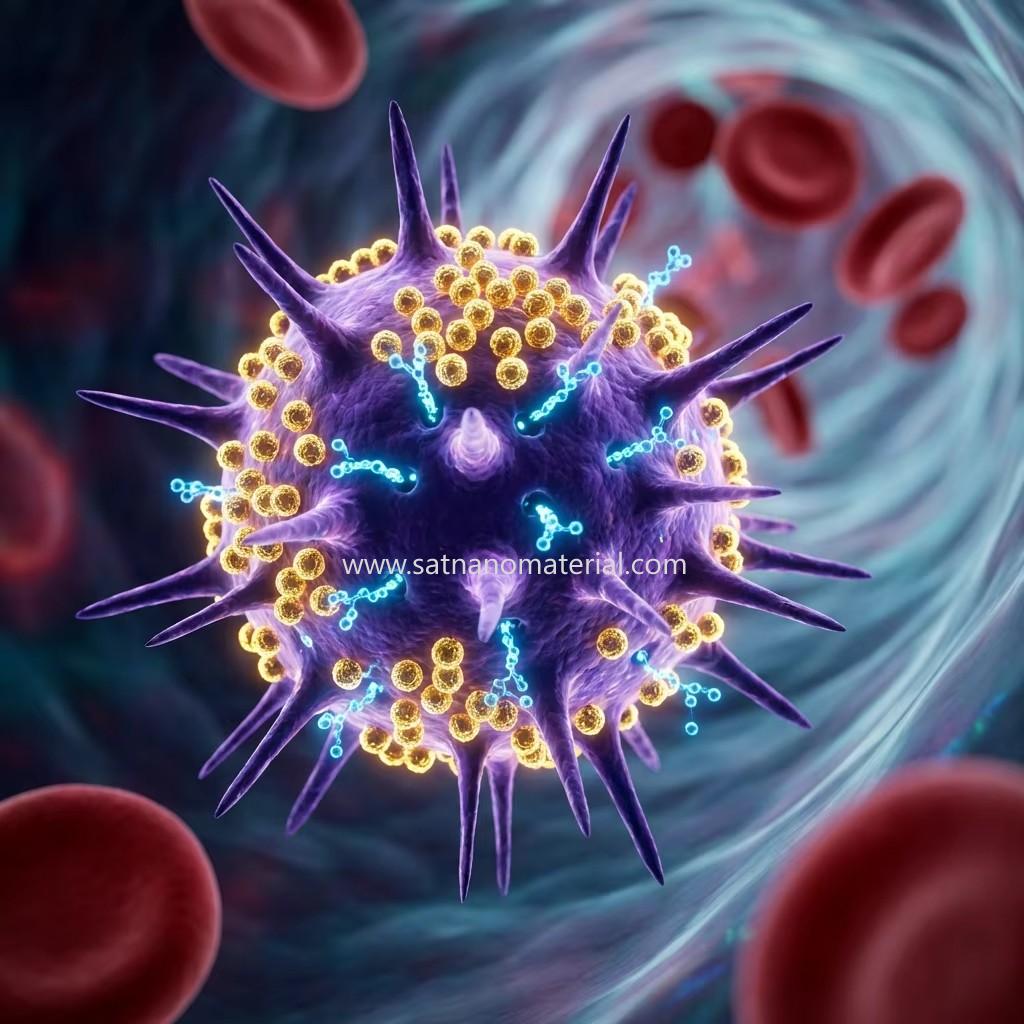
2026년 2월 17일, 학술지 '어드밴스드 머티리얼즈(Advanced Materials)'는 연구진이 DNA 바코드를 기반으로 하는 고처리량 생체 내 스크리닝 시스템을 개발했다고 발표했습니다. 이 시스템은 장기, 세포 유형 및 미토콘드리아 수준에서 여러 금 나노입자의 분포를 동시에 평가할 수 있어 재료 라이브러리의 신속한 스크리닝을 가능하게 합니다.
본 연구는 먼저 시험관 내에서 DNA 바코드 시스템의 안정성과 신뢰성을 검증했습니다. PEG/TPP로 변형된 6가지 금 나노입자는 다양한 pH, 혈청 환경 및 진동 조건에서도 바코드 안정성을 유지했으며, 세포 흡수 및 미토콘드리아 국소화에는 영향을 미치지 않았습니다. 이후, 연구는 5가지 형태(구형, 막대형, 삼각형, 정육면체형, 이중피라미드형), 2가지 크기(40/80nm), 그리고 3가지 유형의 종양 표적 리간드(FA, HA, RGD)를 포함하는 30가지 유형의 금 나노입자로 구성된 물질 라이브러리로 확장되었습니다. 연구진은 이 혼합 물질 라이브러리를 피하, 국소 및 반대측 종양 모델에 주입하여 조직, 세포 하위 집단 및 미토콘드리아 수준에서 1000개 이상의 생체 내 데이터를 얻었습니다.
연구 결과에 따르면 미토콘드리아 표적화 능력은 종양 축적과 높은 상관관계를 보이며, 단일 요인(형태, 크기 또는 리간드)만으로는 최종 발현을 결정하기에 충분하지 않고 여러 매개변수가 복합적으로 작용하는 것으로 나타났습니다. 가장 우수한 성능을 보인 두 가지 유형의 물질은 대형 정육면체 입자(CL-FA)와 대형 구형 입자(PL-FA)였습니다.
치료 효과 검증을 위해 연구진은 미토콘드리아 표적 siATP6를 탑재한 CL-FA를 후보 물질로 선정하고, 약 47~48°C의 저온 광열 치료와 병용했습니다. 그 결과, 단일 치료로 99%의 종양 억제 효과를 얻을 수 있었으며, 동시에 미토콘드리아 손상, ATP 수준 감소, 세포 사멸 증가가 유의미하게 나타났습니다. 또한, 종양 관련 대식세포(TAM)가 면역 억제성 M2에서 면역 활성화성 M1으로 전환되면서 종양의 면역 미세환경이 재구성되었습니다. 조직학적 분석과 무게 모니터링 결과, 이 치료 전략은 안전성이 우수한 것으로 확인되었습니다.
이 플랫폼은 미토콘드리아 표적 물질의 신속한 스크리닝뿐만 아니라 다양한 세포 하위 집단에서 나노 입자의 거동을 분석하는 데에도 사용할 수 있어 정밀 나노 의학을 위한 강력한 도구를 제공합니다.
문헌명: 종양 미토콘드리아 표적화를 위한 금 나노입자의 고처리량 생체 내 세포 소기관 분석


 온라인 서비스

